Vision
Go deep in silicone and electronic composite precision manufacturing and become a technical benchmark in this niche, pushing quality upward through material innovation and process iteration.
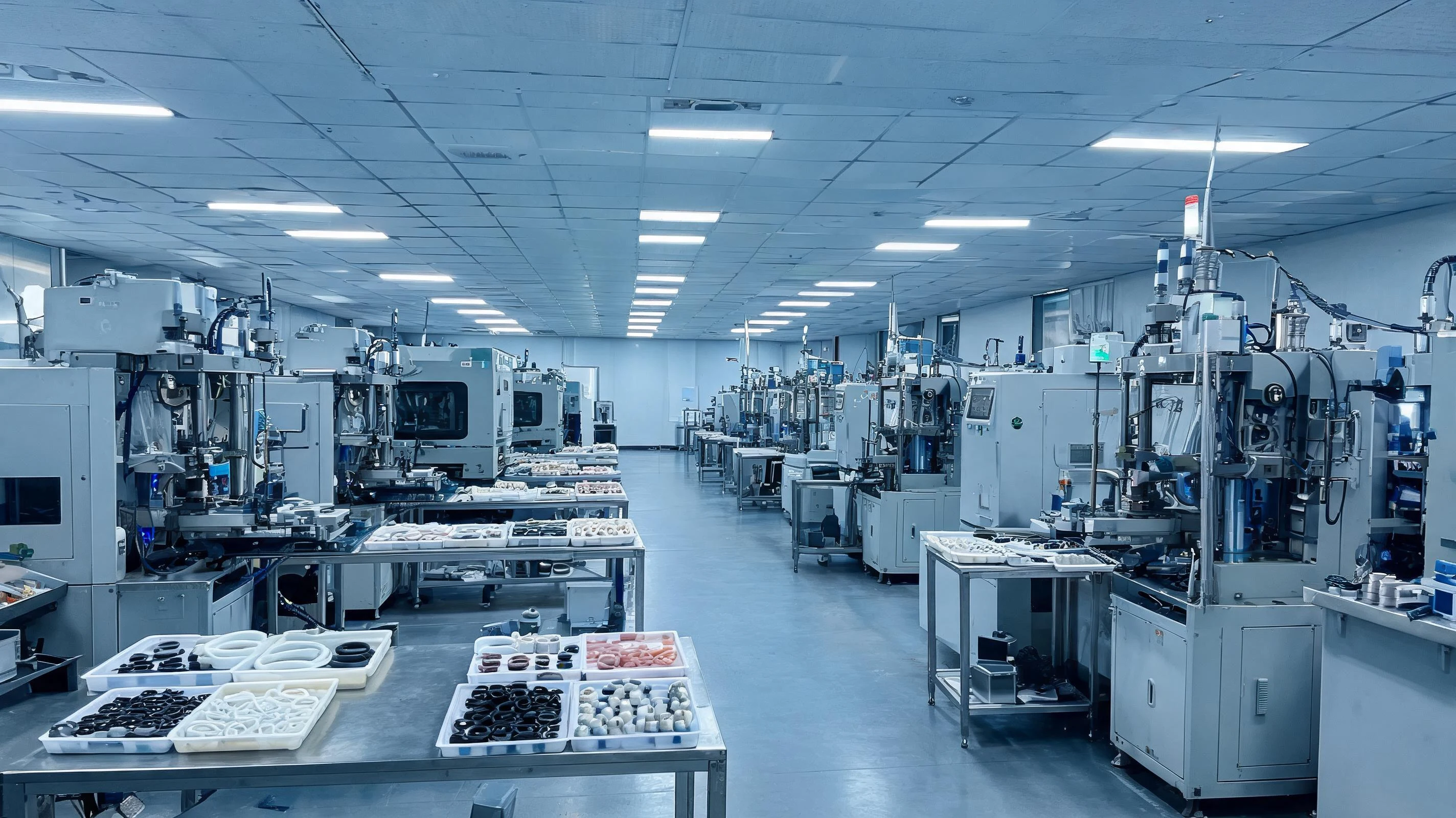
Dongguan Yuanhong Zhizao Technology Co., Ltd. is a technology-driven manufacturer built on silicone compound development, dissimilar-material bonding and precision silicone molding. We focus on silicone integrated with electronics and cover the full chain: material development, structural design, tool development, process definition, reliability verification and volume delivery.
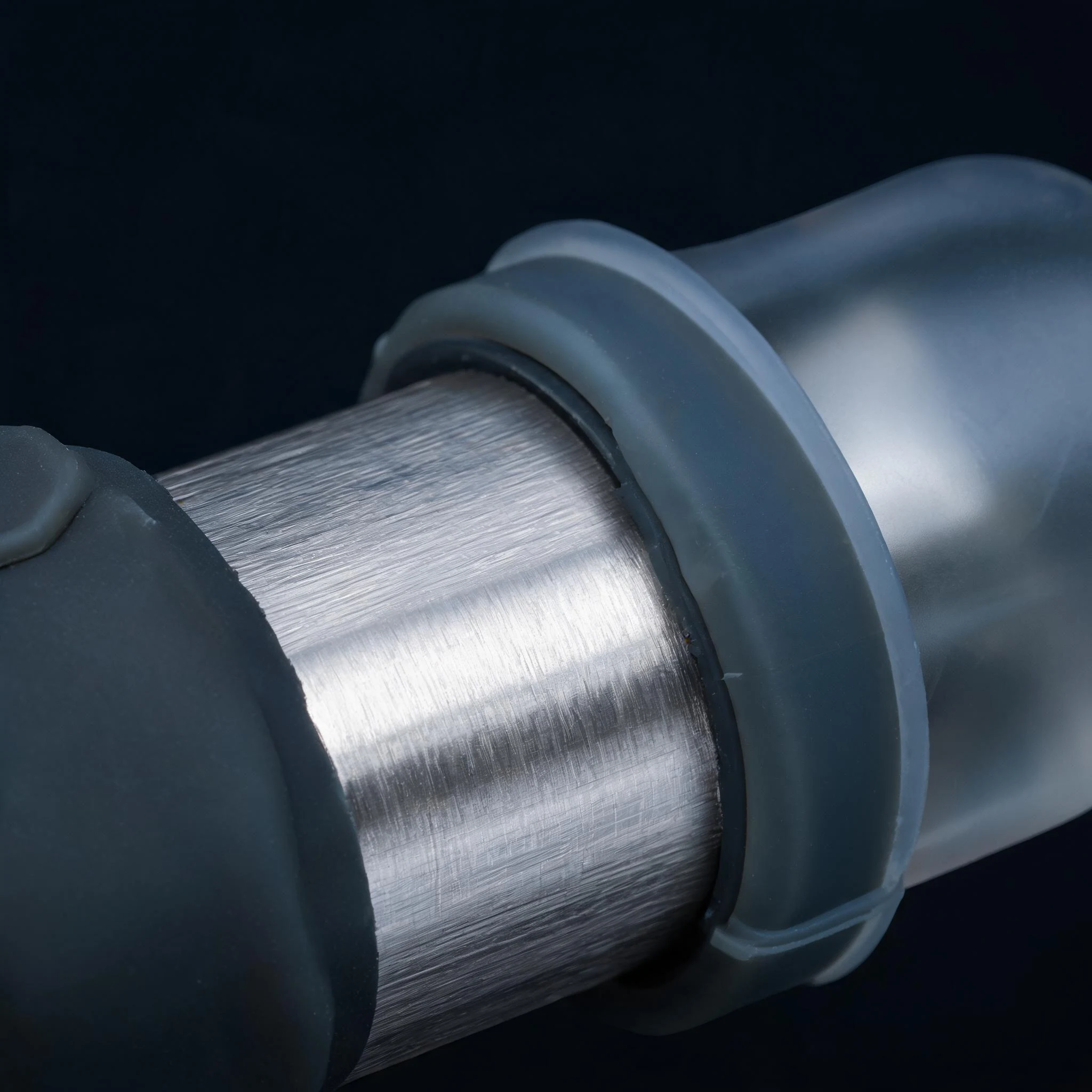
YHIOT is based in Dalingshan Town, Dongguan, working on precision overmolding and dissimilar-material composite molding of silicone with metal, plastic and PCBA. We do not compete on low-price volume products; the effort goes into the harder problems of this industry — delamination, bond failure, missed performance targets, limited appearance processes, unstable volume production and insufficient weathering.
Our customers are mainly smart hardware, consumer electronics, medical protection, wearables, industrial security and cross-border brand owners. We also provide technical services to the industry: process improvement, training and supply-chain management.
These parts rarely succeed or fail because of the silicone itself; it happens at the interface — how the insert is fixed, how far the silicone covers, where the parting line runs, whether the gate position displaces a component. That is why the early project time goes into structural assessment: the possible failure points are put on the table before tooling and sampling are discussed.
On cooperation, we quote from drawings or samples. If there is no drawing yet and only an idea, we start with requirement review. A project can run from design, process route definition, sampling, process and cost optimisation all the way to production tooling and volume delivery under one supplier, which removes the drift that comes from handing information between parties — or you can join at a single stage: sampling verification only from your own tool, or material selection and surface finishing advice only.
Alongside metal inserts and plastic composites, one product family carries electronics: wristbands, rings and labels made by overmolding silicone onto RFID chips, and precision liquid encapsulation of outdoor LED displays. Both follow the same structural logic.
Position and principles
Research standards control the source, precision processes protect performance, and full-chain service solves customer problems. We do not compete on homogenised low prices; technical accumulation is the core competence.
Go deep in silicone and electronic composite precision manufacturing and become a technical benchmark in this niche, pushing quality upward through material innovation and process iteration.
Decide in the early project stage and keep risk away from volume production. Every delivery is backed by a repeatable process and by data.
Senior people make senior products. Core roles are filled through strict entry standards and above-market pay, so a seasoned team can support demanding processes and demanding products.
Company information
These details match the registered business entity behind this site and can be cross-checked through the contact details in the footer.

The brand mark is used on company documents, sample packaging and drawing files; project files are issued and confirmed in the company's name.
An NDA or a designated file transfer method can be arranged before a project starts.
Core strengths
A conventional silicone factory mainly molds parts. Our capability extends to compound modification, interface activation, dissimilar-material bonding and ageing verification, so material and process can be customised to the operating conditions and certification standards.
A complete technical system covering compound modification, surface activation, nano bonding, composite molding, precision molding and ageing verification — aimed at the root of delamination, bond loss, cracking, poor weathering and short service life.
Structural design, compound development, colour and mixed compound customisation, tool and fixture development, molding and surface finishing, sampling and testing, volume optimisation, assembly, quality and certification, supply-chain and logistics management.
In-house laboratory and reliability testing covering composition analysis, mechanical testing, environmental ageing, electrical insulation, wear life and precision dimension; new products, processes and formulas are verified with data.
Core technical roles are filled to high entry and capability standards, with teams able to develop formulas, optimise tool structures, correct difficult processes and stabilise volume production.
Beyond product customisation we provide technical services, process optimisation, compliance and certification support, IP support, training and supply-chain management — serving both brand owners and fellow factories upgrading their processes.
Resources are concentrated on silicone plus electronics, precision overmolding, special processes and difficult volume problems — for projects with clear reliability and appearance standards that still lack a workable plan.
How we work
Overmolding customisation is rarely right the first time. Whether a plan can be executed depends on how clearly each step is confirmed.
Judge whether the overmold structure holds up and whether the load path and assembly are sound, then discuss material, hardness and colour — so nothing collapses after the option is fixed.
Molding route and insert material constrain each other. The proposal states the reason for each choice and the parameters the customer must confirm.
Sampling is not only about appearance: it includes trial assembly and dimension checks, and its result becomes the basis of the volume process window.
Assessment results, open items and changes are confirmed in writing, which removes the drift caused by drawing revisions and verbal descriptions.
Cross-industry cooperation
An overmolded silicone part is usually one component in a finished device, and how it is made depends on how the parts around it are machined and assembled. We have cooperation experience in electronics, batteries, electromagnetic components and plastic or metal hardware, know their processing and surface finishing methods, and bring those constraints into the overmold plan early to avoid rework across processes.
The practical value of this cooperation is fewer detours: which process must come first, which surface condition must not be touched, which dimension cannot be compensated by silicone alone. Settling these at the proposal stage costs less than correcting them at sampling or in volume. The related processes are covered under the capability pages; the technical roles behind them are described in the team page.
Scope of service
Many projects start from a sketch, an idea or a single sample. We can cover the whole path from concept to volume production — each stage can be bought on its own or run end to end.
Clarify the use scenario, target function, assembly relations, volume and cost expectations to form an assessable brief. No drawing is required to start here.
Judge structural feasibility, define coverage range, bond interface and insert type, and issue a structural and material direction ready for tooling.
Choose between compression, liquid injection, potting and blow molding, and match the tool type and downstream finishing at the same time.
Small-batch samples with trial assembly, dimension checks and functional verification, fixing the process window.
Optimise unit cost and batch stability through structural simplification, tool structure, molding route, yield and compound choice.
Fix the cavity layout, insert locating structure, runner and venting; complete tool acceptance and trial production.
Produce to the frozen process window and inspect, pack and ship to the agreed standard.
Feed production data back into design and process for the next model or the next volume step.
The directions listed on this page reflect the company's actual business scope. Feasibility and process options for a specific part are confirmed by reviewing drawings or samples.